
Camera Equipment Mastery Bootcamp: Live Online Training with Certification and Exclusive Gear Discounts
Master professional camera gear selection, setup, and operation in a live, instructor-led online bootcamp that blends interactive workshops, hands-on projects, and industry-standard assessments, culminating in a verifiable certification and access to exclusive partner discounts on cameras, lenses, lighting, audio, stabilization, and essential accessories for every budget.
About the Training Team
Our instructors are working photographers, cinematographers, and technical directors who have managed demanding shoots across genres and budgets, translating field-proven practices into accessible frameworks that build confidence, efficiency, and results while prioritizing safety, repeatability, and client-ready delivery standards every time.
Bootcamp Overview
Discover how this intensive, cohort-based program combines live instruction, structured practice, and expert feedback to help you confidently select, configure, and maintain camera equipment for stills and video across diverse scenarios, while building measurable skills backed by certification and practical, portfolio-ready projects.


Live Training Experience
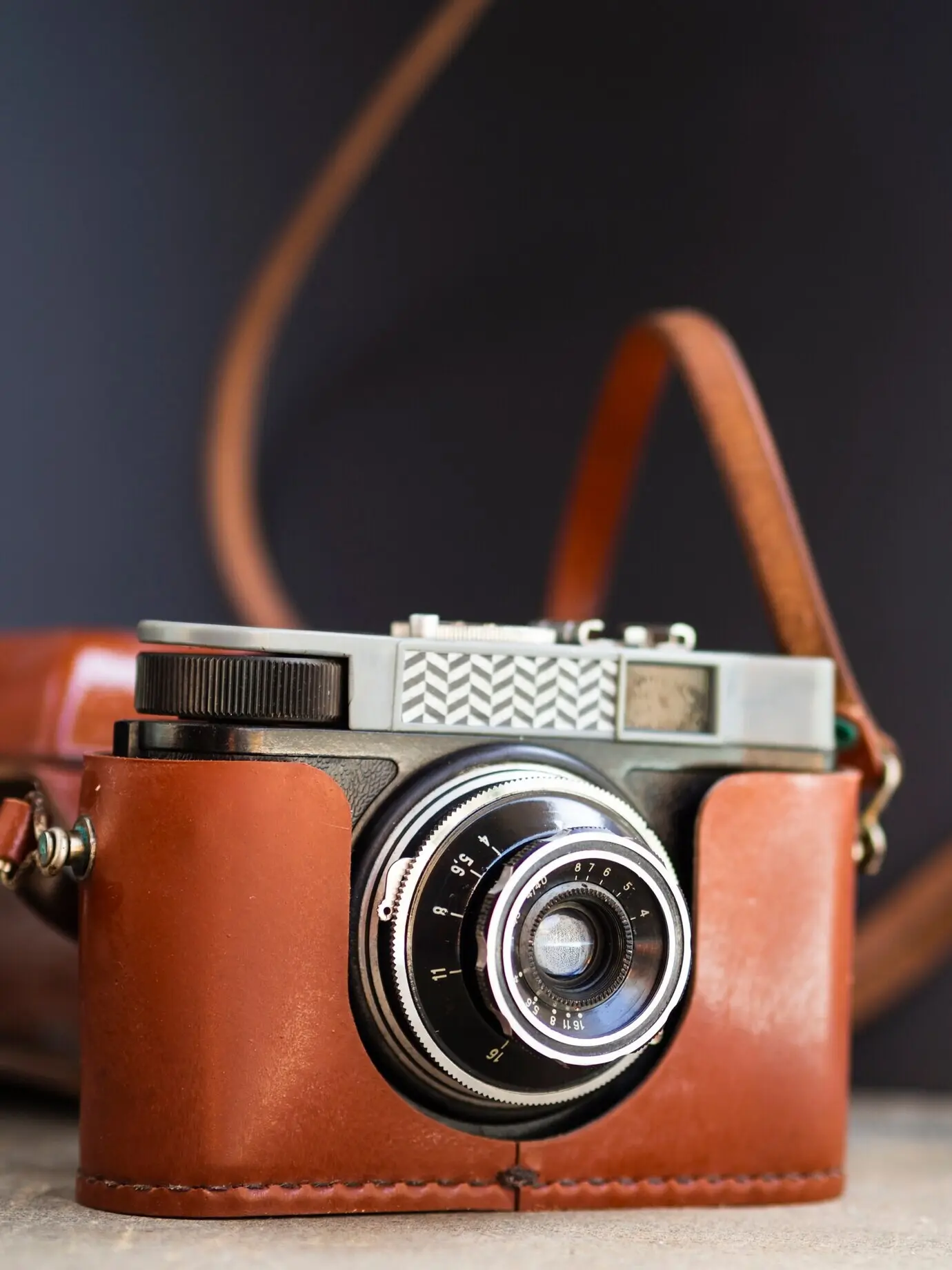
Experience dynamic, instructor-led sessions featuring real-time demos, breakout exercises, peer critique, and structured Q&A, reinforced by assignments and feedback cycles that mirror industry workflows, helping you cement technical understanding, practice decision-making under time pressure, and adopt reliable habits trusted by working photographers and filmmakers.
-
Workshops blend short lectures with live demonstrations and guided practice, ensuring immediate application of concepts like exposure balancing, autofocus configuration, and lighting ratios, while instructors evaluate your process, highlight corrective techniques, and share professional shortcuts that reduce setup time, minimize errors, and improve on-set collaboration.
-
See gear used in real time as instructors switch bodies, lenses, and modifiers while narrating choices, showcasing results, and answering questions live, empowering you to translate technical theory into reliable steps, evaluate trade-offs, and adopt a repeatable process you can bring to client work and personal projects immediately.
-
Collaborate with a focused peer group, share drafts, exchange constructive critique, and maintain momentum with weekly goals, check-ins, and instructor prompts that build accountability, reinforce learning, and foster a network of practitioners who can answer questions, share gear insights, and recommend opportunities long after graduation.

Certification Criteria
Your certification score reflects performance across readiness checklists, technical accuracy in camera and lens setup, lighting control proficiency, audio clarity standards, stabilization choices, and data integrity, evaluated through rubric-based grading that values repeatability, safety, and client-ready results over improvisation alone or memorized definitions without demonstrable execution.
Read more

Practical Exam Format
The practical exam presents realistic briefs with time boxed challenges, requiring you to configure gear, capture targeted outcomes, document settings, and submit evidence, while narrating decisions and trade-offs, ensuring the assessment measures applied knowledge, situational awareness, and your ability to recover from common on-set issues gracefully and efficiently.
Read more
Digital Credential and Verification
Upon passing, you receive a digital badge with a verifiable URL and skills breakdown that clients, employers, and collaborators can review, providing transparent confirmation of competencies, course rigor, and the specific scenarios evaluated, backed by timestamped records and optional portfolio links showcasing your assessed projects and reflective notes.
Read more
Camera Bodies and Core Settings
Develop system-agnostic fluency with full-frame, APS-C, and Micro Four Thirds bodies, mastering exposure, autofocus behavior, picture profiles, codecs, and customization strategies that deliver consistent results across brands, ensuring you can optimize any camera quickly for challenging light, fast action, and color-critical assignments.
Sensor Types and Dynamic Range
Compare sensor sizes, pixel pitch, and dynamic range implications for noise, highlight retention, and color depth, then learn practical strategies like ETTR, dual native ISO usage, and picture profile tuning that preserve detail, protect skin tones, and maintain post-production flexibility without introducing artifacts or avoidable exposure instability.
Autofocus Systems and Tracking
Understand phase detection, contrast detection, and hybrid autofocus behaviors, then configure subject detection, tracking sensitivity, and back-button focus for portraits, sports, and documentary scenarios, practicing techniques that reduce hunting, maintain critical sharpness, and support fast recomposition under unpredictable movement and mixed lighting conditions common in real assignments.
Exposure Triad in Practice
Move beyond theory by applying shutter, aperture, and ISO choices to prioritize motion rendering, depth of field, and noise performance, using meter modes, waveform, zebras, and histograms to validate exposure while balancing stylistic intent with technical constraints and maintaining flexibility for color grading or retouching downstream.
Lenses and Optical Choices
Confidently select primes or zooms by evaluating focal length, aperture, rendering, distortion, and focus breathing, aligning optical character to creative goals while considering weight, stabilization, and budget, ensuring your lens kit supports your niche without compromising image quality, ergonomics, or delivery requirements.
Prime vs Zoom Decisions
Assess speed, sharpness, and consistency against flexibility, coverage, and workflow efficiency, learning how primes shape composition discipline and low-light performance while modern zooms deliver rapid framing adjustments, then build hybrid kits that balance artistic intent with client timelines, rig weight, and production realities.
Aperture, Bokeh, and Sharpness
Explore how aperture affects depth, background separation, and lens rendering, considering spherical aberration, cat-eye bokeh, and field curvature, then apply sharpening strategies, microadjustments, and stopping down for optimal performance while preserving subject presence, maintaining pleasing edges, and avoiding diffraction penalties in high-resolution workflows.
Specialty Lenses and Use Cases
Learn when to deploy macro, tilt-shift, ultra-wide, or telephoto lenses for architecture, product, events, and wildlife, addressing flare control, focus stacking, and perspective management, while planning support gear and technique adaptations that ensure consistent results under tight spaces, changing light, and dynamic subjects.

Lighting Systems and Control
Command continuous and strobe systems by understanding output, color rendering, shaping, and power logistics, mastering modifiers and placement to craft mood and dimensionality while maintaining speed, consistency, and safety in studio and location environments with limited time and unpredictable ambient conditions.
Continuous vs Strobe Solutions
Evaluate continuous lights for real-time feedback and video flexibility versus strobes for efficiency and freezing action, considering CRI, TLCI, spectral quality, flash duration, and recycle times, then select the right approach and modifiers to achieve specific looks without compromising workflow or color accuracy.
Modifiers, Diffusion, and Flags
Compare softboxes, umbrellas, grids, and reflectors for contrast control and spill management, then practice negative fill and flagging to sculpt faces and backgrounds, learning placement techniques that maintain catchlights, avoid hotspots, and deliver flattering, repeatable results across different subjects, environments, and schedules.
On-Location Power Management
Plan safe, efficient power for lights, cameras, and accessories using V-mount systems, inverters, and battery management, calculating runtime, redundancy, and safe cabling, while implementing labeling and charging protocols that prevent downtime, hazards, and inconsistent output during long, multi-set shooting days.
Audio, Rigs, and Stabilization
Integrate clean audio capture and reliable stabilization into your toolkit, selecting microphones, recorders, rigs, and supports that match subject, environment, and movement demands, ensuring footage looks polished and sounds professional without overcomplicating setup or sacrificing portability and endurance.
Microphones and Recorders
Choose lavaliers, shotguns, or on-camera mics based on distance, ambience, and isolation needs, then configure gain staging, low-cut filters, and safety channels, practicing monitoring discipline and mounting techniques that prevent rustle, protect intelligibility, and maintain sync across hybrid photo-video workflows.
Gimbals, Rigs, and Tripods
Match stabilization to movement using gimbals for dynamic motion, shoulder rigs for run-and-gun balance, and tripods for locked-off precision, mastering balancing, tuning, and quick-release systems that speed transitions, reduce fatigue, and protect shots under changing lenses, focal lengths, and environments.
Cables, Media, and Power
Standardize cables, media, and power accessories to minimize failure points, labeling and testing components, managing amperage, and selecting reliable cards, readers, and chargers, so your camera remains responsive, consistent, and protected during extended shooting, travel, and challenging weather scenarios.
Enrollment and Professional Services
Choose the package that fits your goals, schedule, and experience level, from full cohort enrollment to targeted coaching and certification support, with transparent pricing, clear outcomes, and responsive guidance that ensures you gain measurable skills, credible proof of competency, and practical equipment strategies aligned to your niche.
Full Bootcamp Enrollment (8 Weeks, Live Cohort)
Join live, instructor-led sessions with structured assignments, personalized feedback, certification assessments, and exclusive partner discounts, supported by recordings, resources, and community access that help you apply lessons immediately, build a credible portfolio, and confidently adopt professional gear workflows across real client scenarios.
9
Private Mentoring Pack (3 One-on-One Sessions)
Accelerate progress with three targeted coaching sessions focused on your kit, niche, and workflow, including portfolio critique, upgrade planning, and hands-on configuration guidance that shortens your learning curve, eliminates guesswork, and equips you with reliable, budget-smart equipment decisions for upcoming shoots.
9
Certification Exam Retake with Proctoring
If you need additional time to master competencies, schedule a retake with live proctoring and tailored study recommendations, receiving clear rubric feedback and action steps that strengthen weak areas and help you demonstrate consistent, professional-level execution under realistic time and gear constraints.
9
Workflow, Maintenance, and Safety
Build a bulletproof workflow from intake to delivery, institute preventive maintenance, and adopt safety checklists that protect people, equipment, and data, minimizing downtime, avoiding costly mistakes, and ensuring repeatable results that scale as your production volume and client expectations increase.
Data Management and Backup
Implement robust ingest, checksum verification, and redundant backups using 3-2-1 strategies, versioning, and clear folder structures, while documenting metadata, card rotation, and handoff procedures that keep projects organized, secure, and recoverable under tight deadlines and collaborative pipelines.
Cleaning, Calibration, and Care
Adopt routine sensor cleaning, lens maintenance, monitor calibration, and firmware updates, using safe tools and validated procedures that preserve optical performance, color accuracy, and device reliability, minimizing surprises on set and extending the life of your investment significantly.
Set Etiquette and Safety Protocols
Use cable management, sandbags, clear callouts, and hazard checks to prevent accidents, while standardizing gear staging, lens swaps, and hot light handling to maintain efficiency and safety, protecting crews, clients, and equipment under pressure and tight schedules.
Portfolio Projects and Feedback
Produce guided assignments aligned with your niche, receive actionable critique from instructors and peers, and iterate through revisions that strengthen technical execution and storytelling, culminating in a credible portfolio section that communicates your capabilities and readiness to paying clients.
Exclusive Gear Discounts and Partners
Unlock negotiated discounts from leading camera, lens, lighting, and audio brands after enrollment, with transparent eligibility, redemption windows, and fine print, enabling strategic upgrades that stretch your budget while maintaining quality, compatibility, and long-term reliability across your evolving kit.
Contact usBrand Partnerships and Eligibility
Access partnerships curated for working creators, including cameras, lenses, lighting, audio, and support gear, with eligibility activated upon enrollment and certification completion, ensuring discounts reward committed learners who demonstrate safe practices, professional workflows, and consistent delivery standards.
How to Redeem Discounts
Follow simple redemption steps using your verified student account, partner links, or single-use codes, with guidance on stacking opportunities, timing purchases during seasonal promotions, and comparing options so you maximize value without compromising on warranty coverage or reseller support.
Recommended Kits at Each Budget
Review curated kits for entry, growth, and pro tiers that balance performance, weight, and reliability, including bodies, lenses, lights, audio, and power solutions, helping you build incrementally while preserving resale value and avoiding incompatible or redundant purchases.
Frequently Asked Questions
What equipment do I need to participate?
You can start with any interchangeable-lens camera and a basic lens, plus access to stable internet for live sessions. A simple LED light and external microphone are recommended, but not mandatory. We provide rental alternatives, budget-friendly suggestions, and loaner options through partners in select regions.
How does the live schedule work across time zones?
Sessions run on a consistent weekly cadence with two time slot options to accommodate multiple regions, and all classes are recorded for later review. Office hours and community threads allow asynchronous questions, while deadlines are time-zone aware to ensure fairness, predictability, and steady progress.
What is the value of the certification?
Our certification is performance-based, verifying practical competence under real constraints rather than rote memorization. The digital badge links to a skills breakdown and project evidence, helping clients and employers quickly assess reliability, safety awareness, and your ability to deliver consistent results across varying conditions and briefs.
Are sessions recorded and accessible later?
Yes, complete recordings, slides, resource links, and assignment briefs are available within your learning portal for the duration of the cohort and a grace period after graduation. This ensures you can revisit complex topics, compare your notes, and practice at your own pace without missing critical details.
How do the exclusive gear discounts work?
After enrollment and verification, you’ll receive partner links or single-use codes tied to your account. Discounts vary by brand and category, often combining with seasonal promotions. We provide redemption instructions, eligibility windows, and recommended purchase timing so you maximize savings while maintaining warranty and authorized dealer protections.
What if I am a beginner or switching systems?
The curriculum supports beginners and system switchers by emphasizing fundamentals, cross-brand controls, and practical configuration checklists. You’ll receive targeted guidance on adapting terminology, translating habits, and preventing common mistakes, along with upgrade paths and kit roadmaps that respect your budget, goals, and learning pace.